
Environmental Sustainability Assessments
of Patient Care Pathways

Healthcare systems are under growing pressure to deliver better outcomes for patients while reducing their environmental impact.
Understanding the environmental footprint of healthcare requires consideration beyond measuring individual products; changes in where, how, and how often care is delivered can have important implications for the environmental impact of the wider patient pathway.
Care pathway environmental sustainability assessments (ESAs) provide a systems-level view of environmental impacts, integrating these with broader considerations that inform healthcare decision-making.
For pharmaceutical and MedTech organisations, this provides an opportunity to anticipate evolving expectations around sustainable healthcare, while strengthening the value proposition of new interventions.

At Maverex, we apply the same analytical standards to environmental sustainability that we apply to clinical and economic evidence, combining environmental expertise with our experience in modelling societal impacts and burden of illness
What are environmental sustainability assessments of patient care pathways?
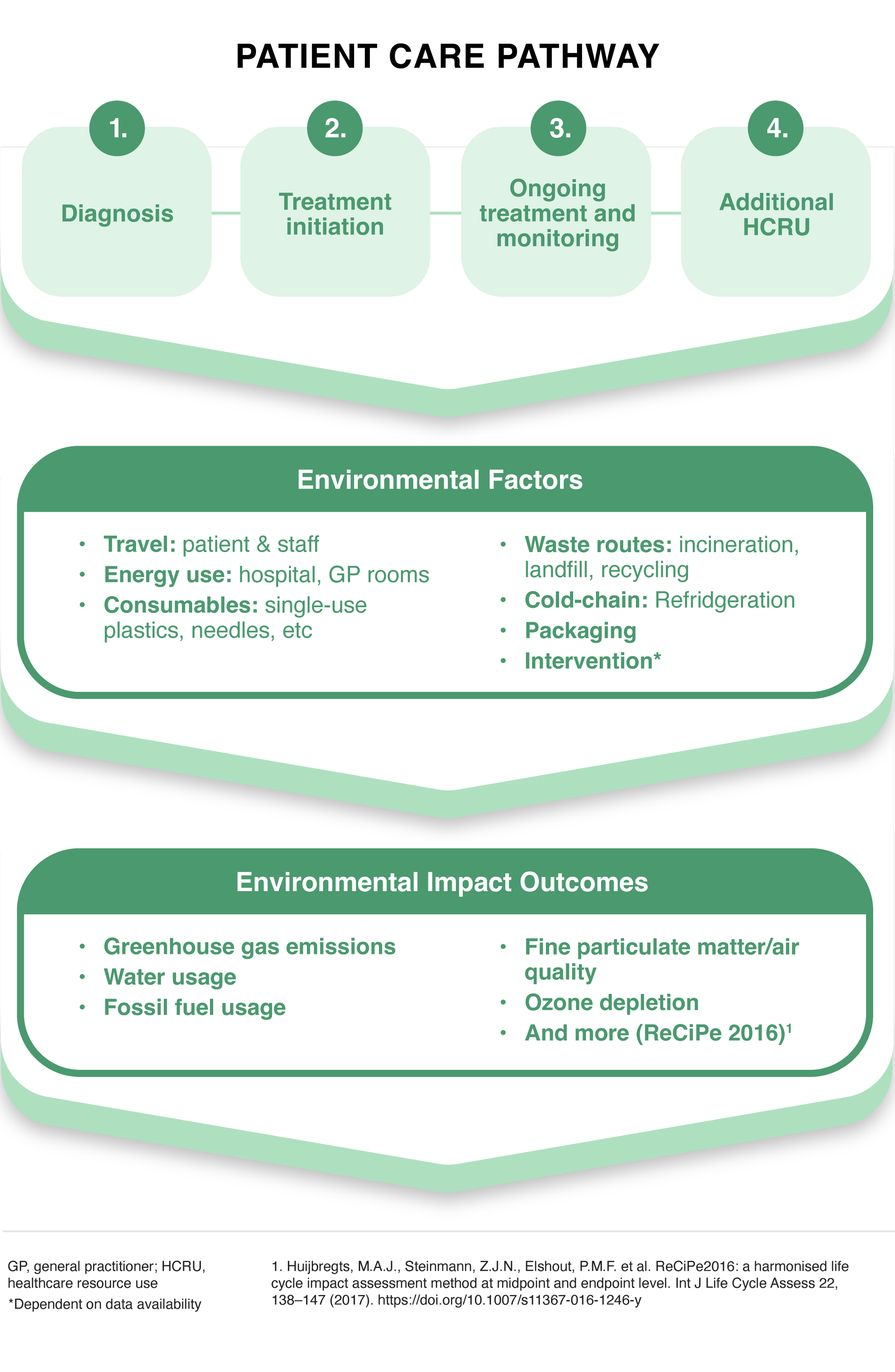
Care pathway ESAs provide a holistic view of healthcare delivery, quantifying how changes in treatment delivery, and subsequent changes in healthcare resource use (HCRU) influence environmental impacts across the patient pathway.
By identifying key environmental ‘hotspots’ such as hospitalisations, healthcare visits, patient travel, and treatment administration, ESAs can highlight opportunities to support more sustainable care and inform decision-making.
Why assess the environmental impact of a care pathway?
Strategic relevance and future preparedness
Sustainability is becoming an increasingly important consideration for health systems. While pathway-level environmental data is not yet routinely requested by regulators or payers, expectations are evolving.
Quantifying the environmental impact of interventions within the wider care pathway can help pharmaceutical and MedTech organisations anticipate emerging requirements and demonstrate that their products contribute to both better patient outcomes and more sustainable healthcare.
Differentiation and broader value
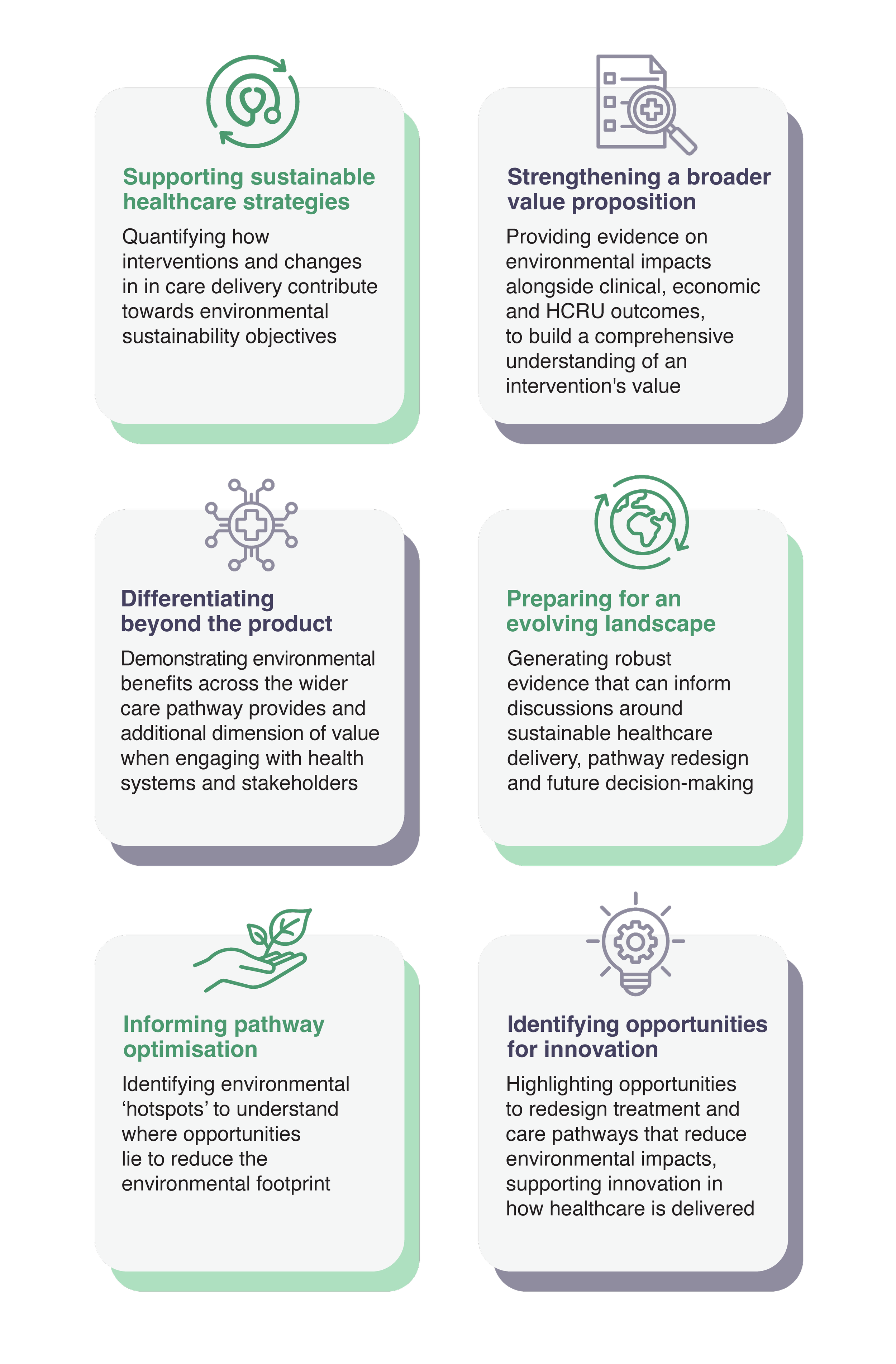
Assessing environmental impact across the care pathway can strengthen an intervention’s value proposition and provide a basis for differentiation.
Changes in how, where, and how often care is delivered through new interventions can have environmental as well as clinical and economic implications.
For example, reducing avoidable hospitalisations can reduce both costs and the environmental impact of care.
Quantifying environmental impacts adds a further dimension to the evidence base, strengthening value discussions with health system stakeholders.
Further dimension to the evidence base and strengthens value discussions
When should an environmental sustainability assessment of a care pathway be considered?
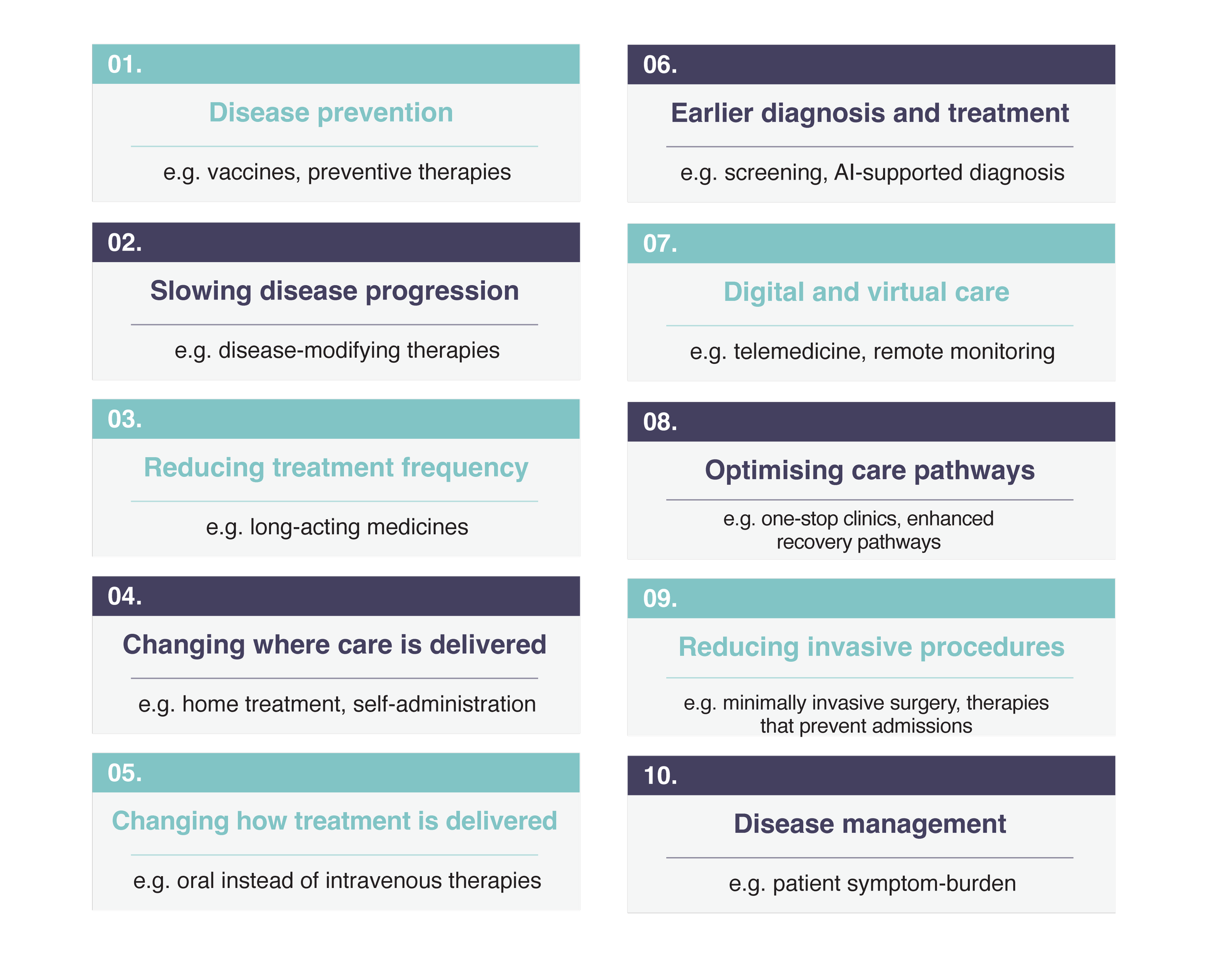
A care pathway ESA can add value when an intervention changes the way care is delivered, for example, by changing where care takes place, how frequently it is delivered, or downstream HCRU required.
Interventions or service changes that influence where, how and how often care is delivered include:
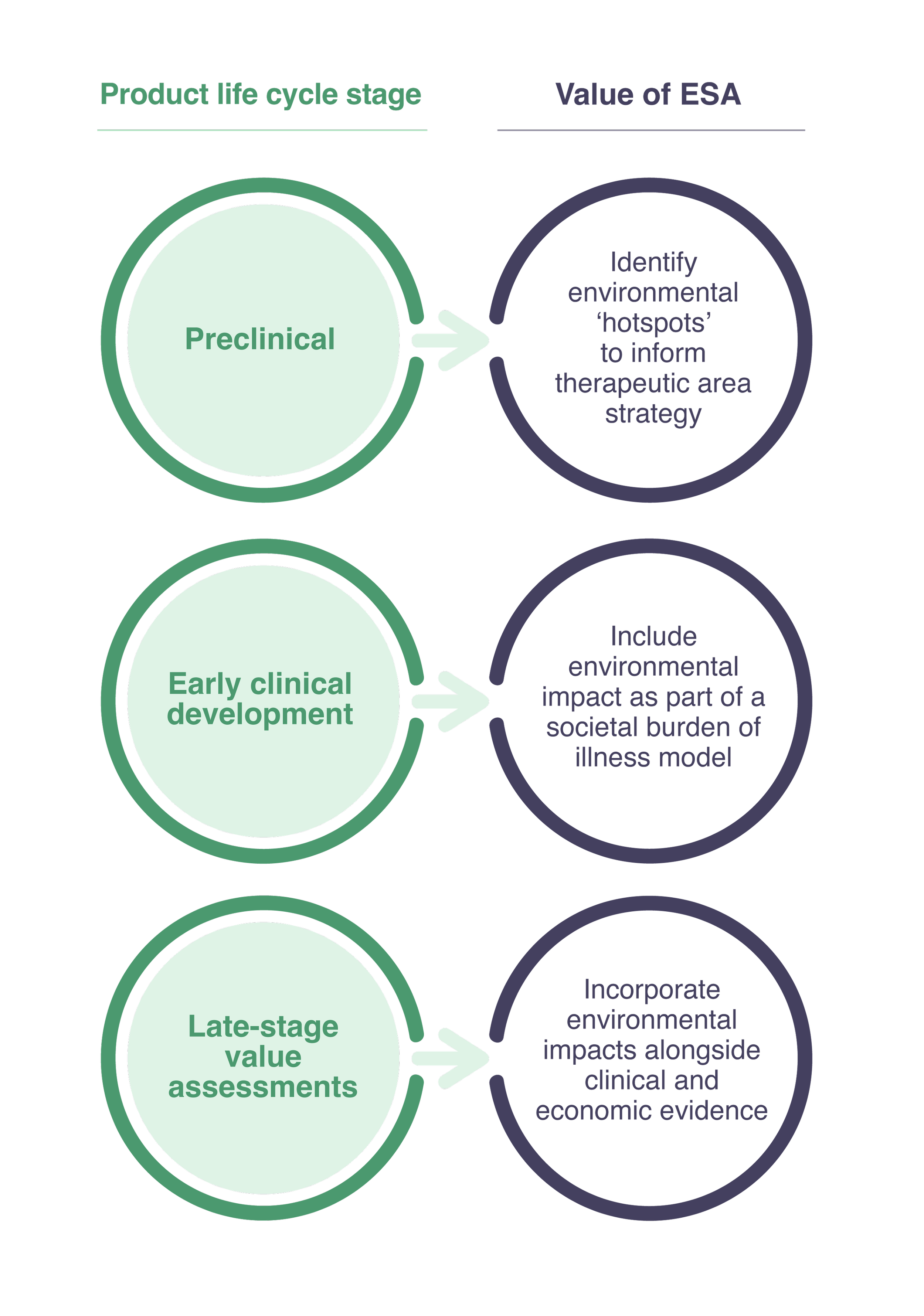
ESAs of care pathways can be undertaken at different points throughout the clinical development process:
Identifying environmental hotspots to inform preclinical therapeutic-area strategy
Assessing the environmental burden of illness from a societal perspective during early clinical development
Incorporating environmental impacts alongside clinical and economic evidence in later-stage value assessments
How is an environmental sustainability assessment of a care pathway conducted?
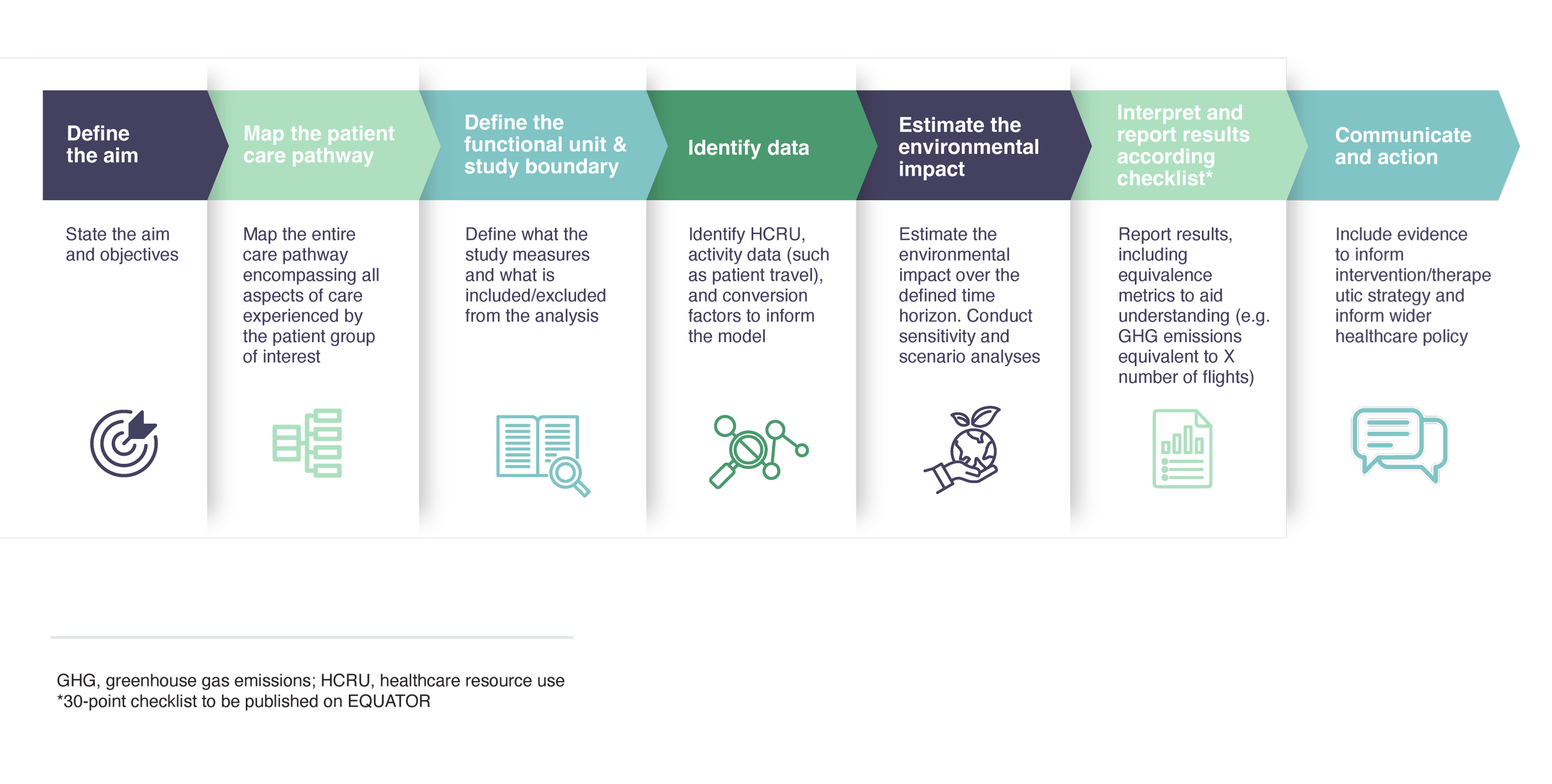
At Maverex, we apply life cycle assessment (LCA) methods, in line with ISO 14044, to the whole care pathway rather than to a single product.
The steps involved in conducting an ESA of a care pathway include:
Speak to Maverex about your care pathway ESA
If you want to understand whether your intervention has a story worth telling, speak to one of our consultants today.
We offer a two-phase project structure, designed to help you gain a clear view on whether a full assessment could add value:
Phase 1: Feasibility assessment – Maverex will conduct a feasibility study in which we map the relevant care pathway and identify evidence with practical solutions to address data gaps with the purpose of ascertaining the extent to which a full ESA can add value. Phase 1 informs a go/no-go decision prior to proceeding with phase 2.
Phase 2: Full assessment – Develop a detailed model to generate evidence that can be used to demonstrate the environmental impact of your intervention. The results can be used to support peer-reviewed publications and congress submissions, as well as broader strategic communications.

